


maxim — order a taxi & food
4.71.55K Reviews
App Specs
- Version
- Varies with Device
- Updated On
- License
- Free
- Downloads
- 100,000,000+
- Developer
- PT. SITO
- Categories
- Auto & Vehicles
- Platform
- Android, iOS
Screenshots


 Analysis by AppCompare
When I first open Maxim — Order a Taxi & Food, I treat it as a practical way to handle two everyday errands from one place: getting a ride and arranging food delivery. That combination is the app’s clearest appeal. Instead of switching between separate transport and meal apps, I can start with the task I need and see whether Maxim suits it. It is a free Auto & Vehicles app from PT. SITO, rated for Everyone, and its reach is reflected in more than 100 million installs. Those figures suggest a familiar service, but they do not remove the need to check what is available where you live.
Getting Started with Maxim
I’d begin by treating the first visit as a simple location check, not a commitment to place an order. Confirm the address you want to use, then choose one task—arranging a ride or looking at food options—so you can see whether the choices fit your plans. Once that feels clear, the next step is making your first booking or order with enough time to review the details.
What to expect from a two-in-one service
The main benefit I notice is convenience rather than a radically different way to book. Taxi ordering and food delivery sit under the same app name, which can make routine planning simpler if both services are useful in your area. The trade-off is that an all-in-one app is only valuable when its local coverage and choices fit your needs; I would not assume every ride type, restaurant, or delivery option is offered everywhere.
Maxim has been available since June 9, 2012, and its 4.7 average across around 7.3 million ratings gives a first-time user a broad indication of how many people have tried it. I still see ratings as background, not a guarantee that a particular pickup or meal will go smoothly. The useful question is whether the options shown for your location work for your actual journey and schedule.
First setup: make the details work for you
First things first, downloading and setting up the app is a breeze. Whether you’re on Android or iOS, you can snag it from the respective app store. Once installed, you'll be greeted with a clean and intuitive interface. I mean, no one wants to wrestle with a complicated app when you’re just trying to get somewhere or satisfy your hunger, right?
Before placing an order, I recommend checking the location the app is using rather than tapping through on autopilot. A saved or automatically detected location can be convenient, but a small mismatch at a large building, a side entrance, or a busy pickup point can create needless confusion. Take a moment to confirm where you want the ride to meet you or where a delivery should arrive. This is especially useful if you are ordering while away from home.
I also find it sensible to decide which service I need before browsing. If I am arranging a ride, I focus on the pickup and destination first; if I want food, I start by checking what is actually available for the delivery address. That simple habit makes the first session feel less like exploring menus and more like completing one clear task.
Worth Reading Before You Choose

Baby Panda World Brings Quick Play to Modern Phones, but Its Game Library Feels Busy

ESPN’s Live Game View Makes Following Close Games Easier

QuizzLand Review: A Good Fit for Short Trivia Breaks, Not Every Player

Basketball Stars: Multiplayer Is Fast, but Can It Recover When Matches Go Wrong?

WEBTOON Turns Phone Updates Into a Better Reading Routine

Link to Windows Runs on Shared Habits, Not Social Feeds
First successful action: booking a ride
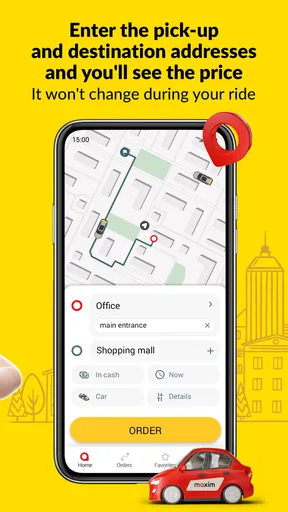
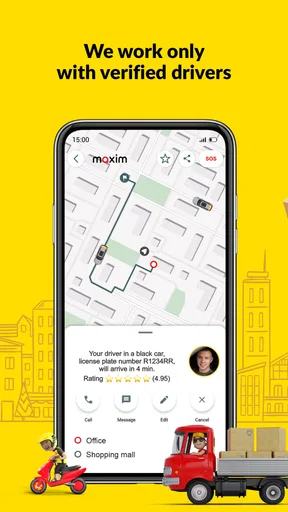
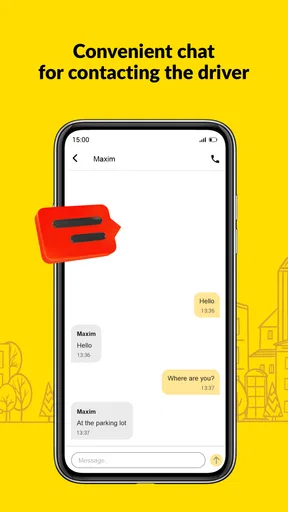
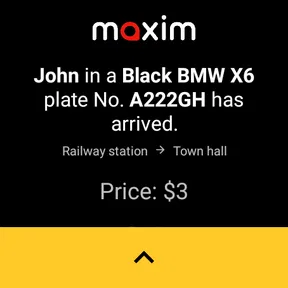
Let's talk about the taxi service first. The app uses your location to find available rides nearby, and you can even schedule a ride for later if you’re in planning mode. There’s something reassuring about seeing the driver’s details and ETA pop up instantly. You can track your ride in real-time, which is super handy — no more guessing games!
For a first booking, I would choose a familiar, straightforward trip rather than testing the app when I am already in a rush. Check the pickup point, enter the destination carefully, and review the ride details before confirming. Once a driver is assigned, the displayed details and arrival estimate give you a better basis for deciding whether to wait at the entrance, move to a clearer meeting spot, or allow extra time. Scheduling can help when the trip is planned, but I would still leave a buffer instead of treating a scheduled ride as a reason to cut timing close.
If you're someone who appreciates variety, you'll love the different vehicle options. From economy rides to something a bit more luxurious, Maxim has got you covered. I found the pricing to be competitive, which is always a plus when you're watching your budget.
Vehicle choice is worth thinking about in context. For an ordinary solo trip, a lower-cost option may be all I need; if I have luggage or am travelling with someone else, I would compare the available choices rather than assume the cheapest one is automatically the right fit. The app’s local options are what matter here, so I would check the details presented for the specific trip instead of planning around a vehicle category I have not seen offered.
Using food delivery without guesswork
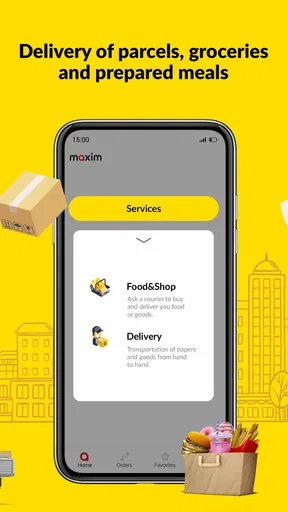
Now onto the food delivery aspect, which I personally adore. The app connects you to a myriad of local restaurants, offering everything from comfort food to gourmet delights. The menu browsing experience is seamless — just a few taps and you've got a feast on the way.
What I particularly liked is the real-time tracking of your food order. You can see when your meal is being prepared, picked up, and on its way. It's like having a front-row seat to your meal's journey!
When I am ordering for a group, I find it helpful to settle on the delivery address and the general meal plan before browsing. Otherwise, it is easy to spend time comparing dishes only to discover that the order is being sent to the wrong place or that people have different expectations about what to eat. I would also review the selected items and delivery destination before confirming, especially when ordering from somewhere unfamiliar.
Tracking is useful for setting expectations, but I treat it as a progress guide rather than a promise of an exact arrival moment. If I am in the middle of a meeting or need to leave home, I check the order status before making plans around it. That small distinction helps avoid the frustration of expecting a meal at a precise minute when the app is showing a changing journey.
Common confusion and practical trade-offs
One source of confusion with a combined service is assuming that the same choices will appear in every place. A restaurant list or ride option can depend on the location being used, so I would first confirm the address and then browse. If something looks unexpectedly limited, checking the location is a more useful first step than repeatedly refreshing or assuming the app has failed.
Another trade-off is convenience versus comparison. Maxim can reduce the need to keep separate apps for rides and meals, but a dedicated local taxi or food service may still be a better fit if it has the specific provider, menu, or booking arrangement you prefer. I would compare the actual options for an important journey or meal rather than choose an app solely because it combines categories.
For everyday errands, the two services can complement each other without making them interchangeable. A ride is about coordinating a pickup and destination; food delivery is about choosing items and following an order. I find it clearer to complete one task at a time, especially on a first visit, instead of switching back and forth and losing track of what I have selected.
A realistic day with both services
Imagine I have a busy evening: I need to get across town, then want dinner at home later. I can use the ride side to set the journey and check the arrival information, then return to the food side when I am ready to order. The practical advantage is having both tasks in one app; the sensible approach is to verify each destination independently, because the ride’s endpoint and the meal’s delivery address may not be the same.
For a time-sensitive appointment, I would arrange the ride with enough breathing room and keep an eye on the driver’s arrival details. For dinner, I would place the order when I can be available to receive it and use the tracking to judge when to be ready. This is a modest workflow, but it helps me use the app as a planning aid rather than expecting it to eliminate every delay.
Who will get the most from it?
I think Maxim is most appealing to someone who regularly orders rides or food and values keeping those errands together. It may be particularly convenient for people who want to try a single app for both tasks, or who occasionally need one service while already using the other. Its large user base and strong average rating can make it feel like a reasonable starting point, while the local options remain the deciding factor.
It is less compelling if you only need one service and already have a preferred app that reliably covers your area. Likewise, if your trip depends on a specific vehicle or your meal choice depends on a particular restaurant, check whether that option is available before building your plan around Maxim. I would also choose another route when I need a certainty the app’s displayed options cannot provide, such as a pickup arrangement I have not been able to verify.
How it compares with separate apps
Compared with using one taxi app and a different food-delivery app, Maxim’s strength is the simpler app setup: two common errands can be handled without maintaining a separate app for each. That can make it easier to remember where to start and reduce app switching. In my view, the advantage is strongest for flexible, ordinary needs, not for someone who wants the deepest possible selection in either category.
A dedicated ride service may be preferable when its local vehicle choices or booking workflow better match a particular journey. A dedicated food app may suit someone who wants to compare a familiar range of restaurants in one place. I would not assume Maxim wins every comparison; I would open the relevant service, check the options for the real address, and choose based on what is actually available at that moment.
Why Choose Maxim?
So, what makes Maxim — Order a Taxi & Food stand out? For one, the app is user-friendly and doesn't bombard you with unnecessary features. It’s all about getting you what you need, quickly and efficiently. The dual service aspect is a real winner in my book, saving you the hassle of juggling multiple apps for rides and food delivery.
Moreover, the customer service is responsive. I ran into a minor issue with an order and was pleasantly surprised by how swiftly it was resolved. It's nice to know there's support when you need it.
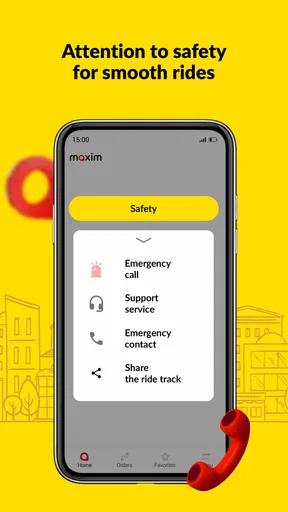
If something does go wrong, I would keep the relevant order details handy and use the app’s support route rather than placing a duplicate order straight away. That is a practical way to avoid turning one issue into two. My own positive experience with a minor problem is encouraging, though support cannot make every delay or mismatch disappear.
One last check before you rely on it
Before making Maxim part of a regular routine, I would try one low-pressure ride or meal order and pay attention to the details that matter to me: whether the right location is recognized, whether the available choices suit my needs, and whether the status information is clear. A small test gives a more useful impression than judging the app from its opening screen alone.
The app is free, so trying it does not require an upfront purchase. I would still make decisions based on the options and terms shown for the specific order rather than assuming every trip or meal will work the same way. It is rated for Everyone, but younger users should still have a responsible adult involved in arranging transport or deliveries when appropriate.
If you're looking for a reliable, all-in-one app to handle your transport and culinary needs, Maxim is definitely worth checking out. Whether you're planning a night out or a cozy night in, this app has your back.
In a world where convenience is king, apps like Maxim make daily life just a little bit easier. So, go ahead, give it a try, and enjoy the seamless experience of having both rides and meals sorted with a few taps on your phone.
Pros
- User-friendly interface
- easy to navigate.
- Quick and reliable service response times.
- Wide selection of restaurants and cuisines.
- Multiple payment options
- including cash.
- Real-time tracking of orders and taxis.
Cons
- Limited availability in smaller cities.
- Occasional app crashes during peak times.
- Customer support can be slow at times.
- High demand can lead to longer wait times.
- Limited promotions and discounts offered.
FAQs for maxim — order a taxi & food
What features does the Maxim app offer for users?
The Maxim app provides a versatile platform for ordering both taxis and food delivery. Users can conveniently book rides, track drivers in real-time, and make secure payments directly through the app. Additionally, it offers a wide range of local restaurant options for food delivery, ensuring quick and efficient service.
Is the Maxim app available in my region?
Maxim is expanding its services across various regions, but availability may vary. Before downloading, check the app store or the official Maxim website for a list of supported locations. This ensures you can fully utilize the app’s features for taxi and food services in your area.
How reliable is the service provided by Maxim drivers and delivery personnel?
Maxim ensures a high level of reliability by carefully vetting its drivers and delivery personnel. Users can rate and review services, which helps maintain quality standards. The app also provides real-time tracking, allowing users to monitor their taxi or food delivery status, ensuring timely and dependable service.
What payment methods are supported by the Maxim app?
The Maxim app supports multiple payment methods to enhance user convenience. These typically include credit/debit cards, digital wallets, and sometimes cash payments. It’s advisable to check the app for specific payment options available in your region to ensure seamless transactions.
How does Maxim handle customer support and service issues?
Maxim offers robust customer support through various channels, including in-app chat and email. Users can report issues, provide feedback, and receive timely assistance. The app also features a comprehensive FAQ section to help resolve common queries and enhance the overall user experience.


